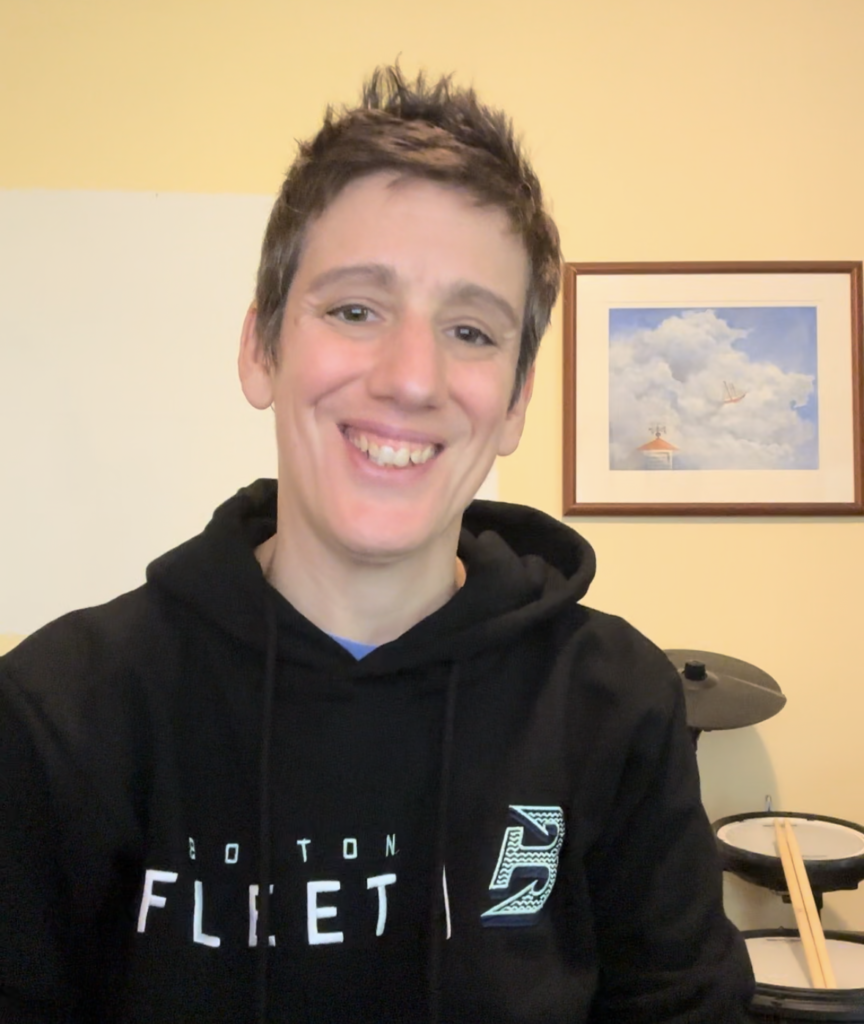
Like many of you, I’ve had a long and winding relationship with exercise.
As a kid, I was a classic tomboy—always outside, competing with the neighborhood boys, and thriving on the field. Movement gave me a way to be myself before I even knew who that was. As a queer kid in the 80s and 90s, sports weren’t just an outlet — they were my safe space. A place where I could shine, belong, and feel fully alive.
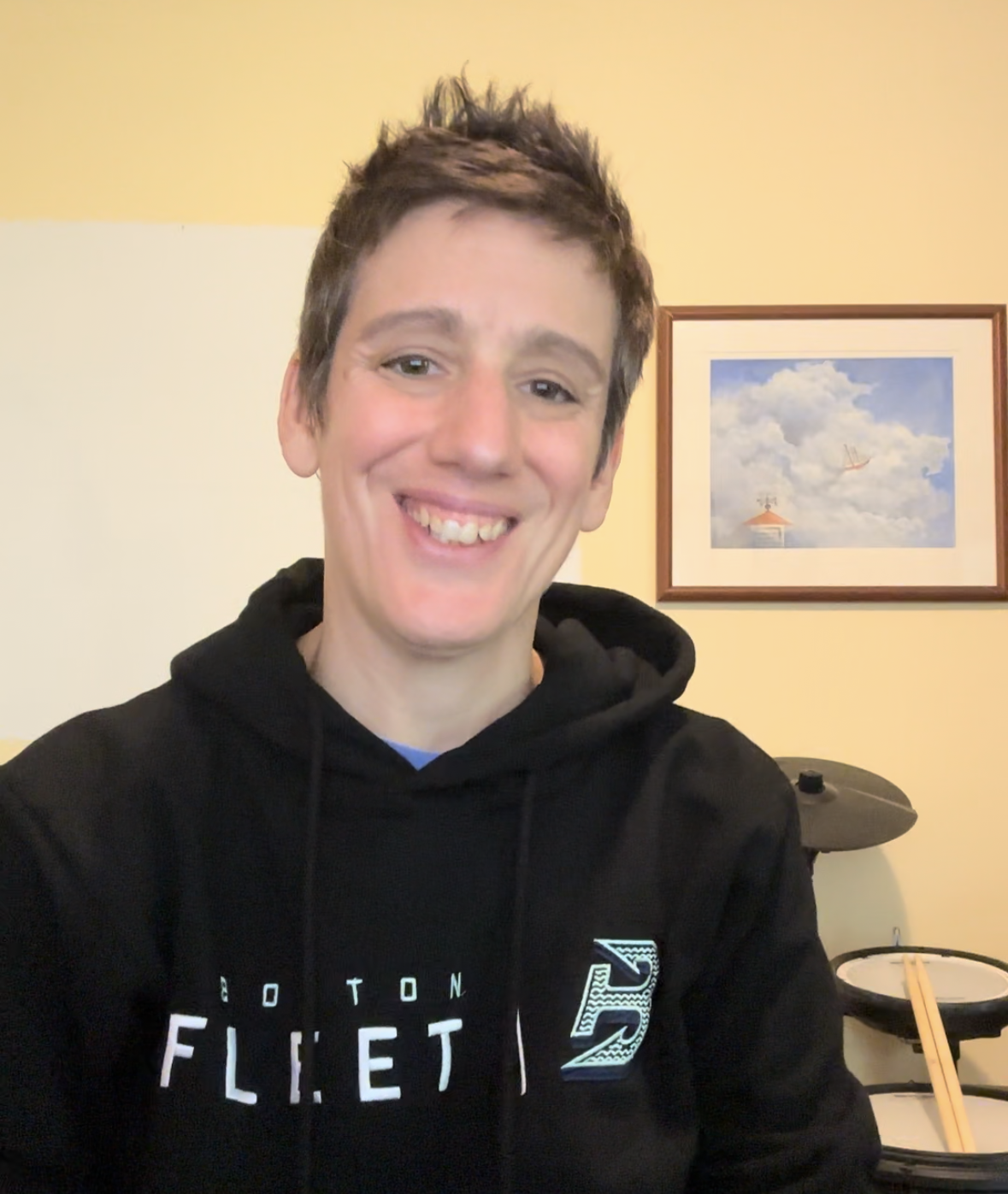
Like many of you, I’ve had a long and winding relationship with exercise.
As a kid, I was a classic tomboy — always outside, competing with the neighborhood boys, and thriving on the field. Movement gave me a way to be myself before I even knew who that was. As a queer kid in the 80s and 90s, sports weren’t just an outlet, they were my safe space. A place where I could shine, belong, and feel fully alive.
In high school, I found distance running and never looked back. I loved my cross country and track teams. In both high school and college, my teammates were my people. Running became my outlet, my identity, and my therapy. I pushed myself hard — sometimes maybe too hard. My form was, in a word, terrible. My knees caved in, my legs kicked out, and my teammates lovingly said I looked like a dying horse when I ran. But I was fast, so I figured it didn’t matter.
It did matter, but I didn’t realize it until I started to age.
In my 20’s I started teaching at a therapeutic high school where I also coached running and strength training. My own running continued to keep me sane, grounded, and connected to myself. But as I approached thirty, things started to change. If I ran too many days in a row, my hip or knee would hurt. I found myself running less and less to avoid injury.
Then, in my 30s, life changed in some big ways. I shifted careers, had a child, and stopped exercising almost entirely. I went from being on my feet all day as a teacher to sitting at a computer full-time as a web developer. My energy dropped. My body felt foreign. None of my old workout strategies worked anymore. If I tried to push myself by running or hitting the gym like I used to I got hurt. Then I’d stop. Then I’d feel worse.
Approaching 40, I hit a wall. I needed something different.
I started going to group fitness classes, and for a little while it worked great. I enjoyed the community, and for the first time in years I felt strong again. But my old movement patterns — and the changes that came with aging and childbirth — kept getting in the way. Squats and lunges made my knees and back hurt. The coaches were great, and physical therapy helped, but I knew I needed something more personalized.
That’s when it clicked: I didn’t want to just blindly follow a program. I wanted to understand it for myself. I wanted to know how to move well, how to program smart, and how to rebuild from the inside out.
So I signed up for the NASM Certified Personal Trainer course, originally just for me. But somewhere along the way, I realized: this is what I want to do. I want to help others who feel like I did — smart, motivated, and stuck. People whose bodies are changing, whose old routines don’t work anymore, and who want to feel strong, capable, and confident again.
Now I’m a personal trainer, fitness coach, and program designer. I specialize in working with people in midlife and in menopause, especially those who have a complicated history with exercise and are ready for something more personalized and sustainable.
I intend to be active for the next several decades. If that’s your goal too, I hope you’ll consider reaching out. I offer in-person sessions at my fitness studio in Essex Junction, VT, or online via video call for folks who live further away or prefer to train from home.
My Background & Credentials
- Masters Degree, Colorado State University Global Campus
MS in Teaching & Learning, Specialization in Online Program Development - Certified Personal Trainer , National Academy of Sports Medicine
NASM-CPT - Former licensed Vermont educator
10+ years as a teacher and school leader - Former High School Coach
Distance running & strength training